HIP HOP HISTORY
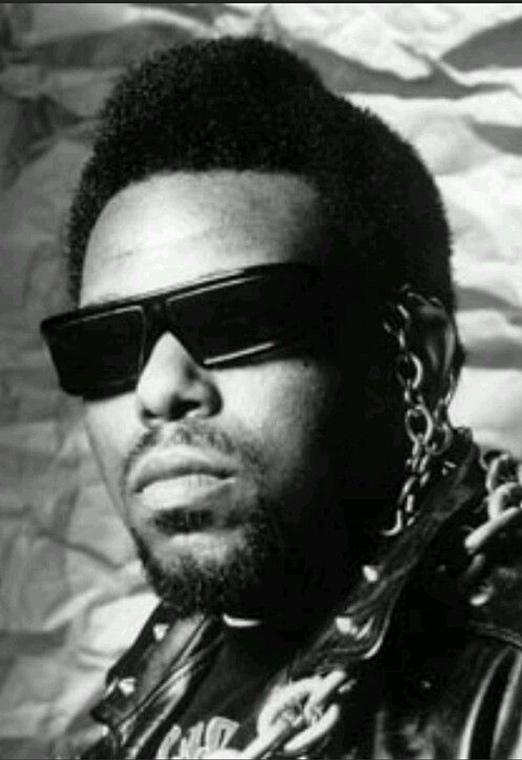
Afrika Bambaataa (1957–2026) — Rest In Power
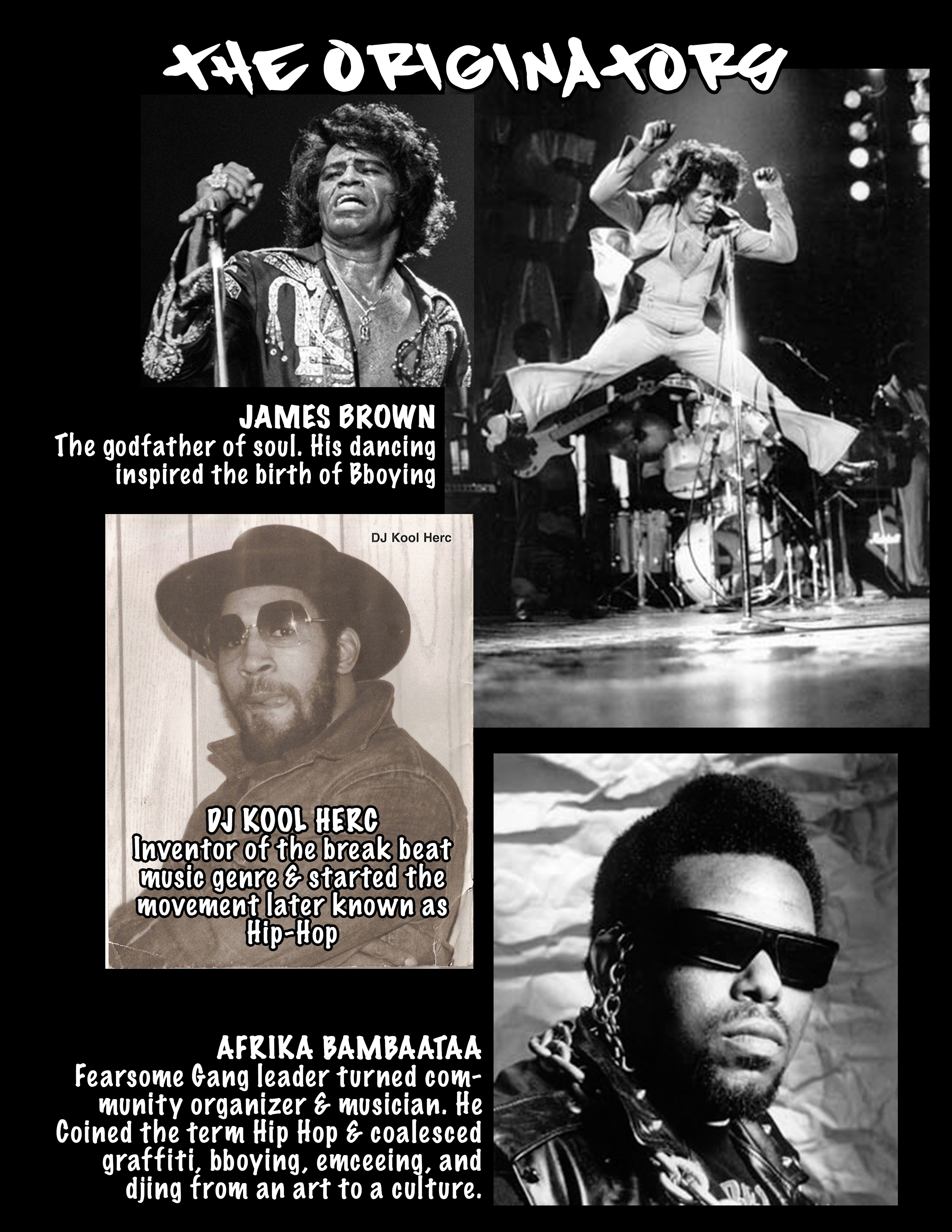
In 1968, Afrika Bambaataa established one of the most feared outlaw gangs in New York, The Black Spades. In the 70’s he turned the gang into (more or less) a “Robin Hood” organization, looking out for folks in their hood and changed the name to The Organization. Then he switched it up again shortly after, recruiting and uniting other reformed gangs and founded The Universal Zulu Nation. Bam began focusing on 4 new art forms emerging in the hood (DJing, Bboying, Graffiti, and Emceeing -the 4 original Elements of Hip Hop). And particularly the positive impact on the youth around him. He split his operation into 5 units. At the heads of each unit he appointed a leader – 5 Zulu Kingz. So happens, All 5 Kingz were Bboys. They approached Bambaataa together; asked him if they could form a bboy crew. Bam declared them The Mighty Zulu Kingz.
Alien Ness
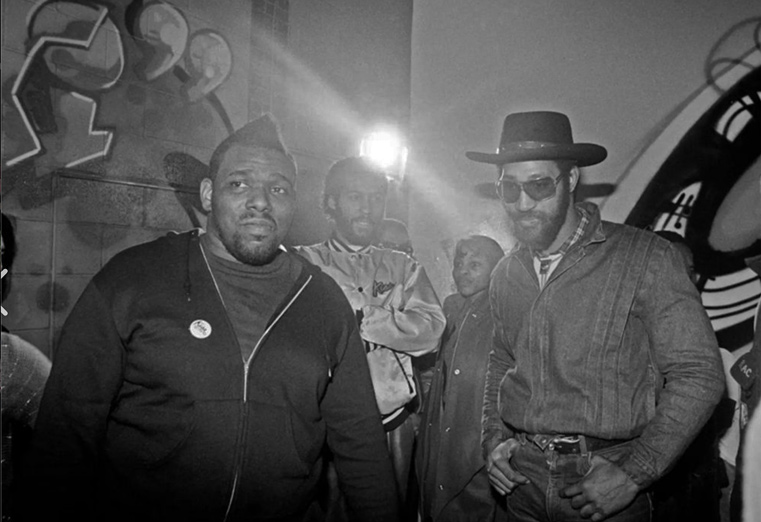
Alien Ness was the last Zulu King appointed by Afrika Bambaataa, as the President of The Mighty Zulu Kingz. He started bustin’ around 1982. Originally he went by Kid Ness, passed down to him by Mr. Ness of Grandmaster Flash and the Furious Five. He went on to lead MZK to dominate competitions for decades. He is also known as one of the greatest Bboy Instructors in the culture.
The Birth of The Culture
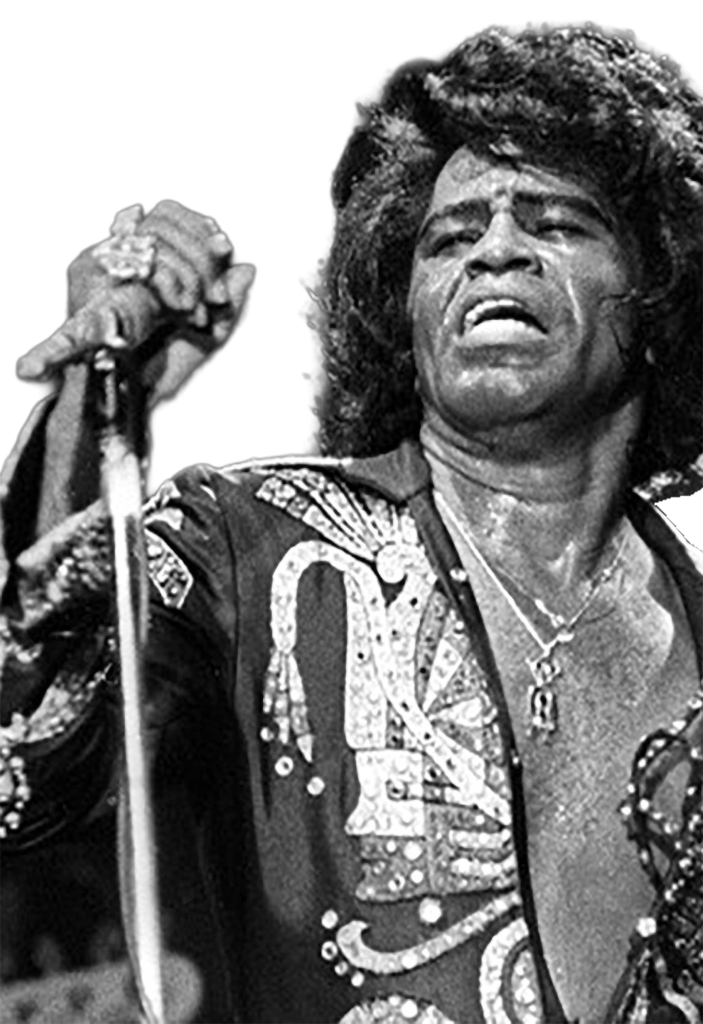
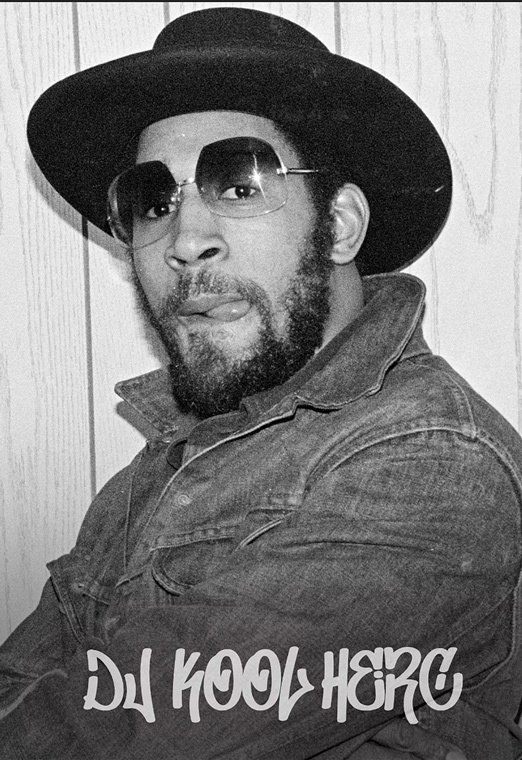
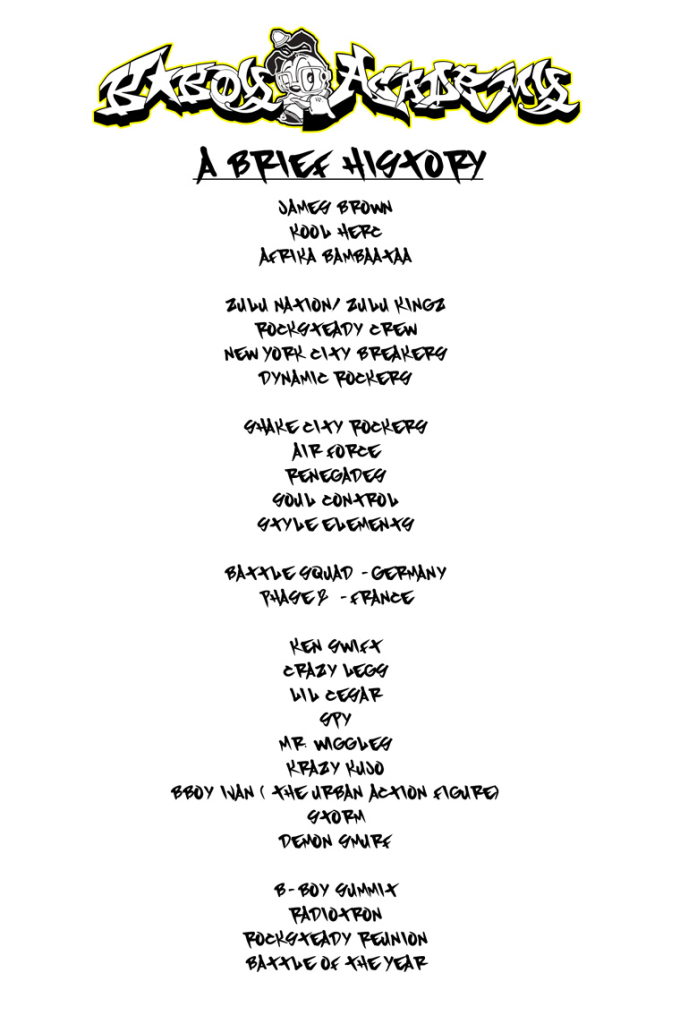
The origin of Hip Hop grew from overlapping Black and Latino music, dance, art and neighborhood traditions in New York City. James Brown’s funk records supplied powerful breaks that dancers could move to. In the 1970s, DJ Kool Herc became central to Hip Hop history through Bronx parties associated with 1520 Sedgwick Avenue near Cedar Avenue, extending the break so Bboys and Bgirls could take the floor.
Early Hip Hop culture brought together the four elements of Hip Hop: DJing, MCing, graffiti and breaking. Bboyism developed through cyphers and Bboy battles, where breakdancers turned rhythm, originality, foundation and strategy into a competitive art. The story also intersects with New York street and outlaw gangs, youth crews and community organizations that redirected rivalry toward music, dance and Hip Hop arts.
Afrika Bambaataa, Zulu Nation and Planet Rock
Afrika Bambaataa and the Universal Zulu Nation helped frame Hip Hop as a culture guided by “Knowledge, Wisdom, and Understanding.” Zulu Nation members and Zulu Kings contributed to an old-school movement that connected music, dance, community identity and Hip Hop knowledge. Bambaataa’s “Planet Rock” later became a landmark electronic Hip Hop recording with a lasting influence on dance music and breaking.
Old-School Hip Hop on Film
The first movie to introduce Breaking to the world outside of New York was Flashdance (1983). Then in 1984 Beat Street, Breakin’ and Breakin’ 2: Electric Boogaloo were released. These movies ignited a Hip Hop explosion that spread globally. Their popularity helped turn a New York culture into an international youth arts movement and inspired generations to this day.